
Indian (Hindi) oud is deep, smoky and earthy, while Cambodian (Cambodi) oud is sweeter, fruitier and smoother — both are real agarwood, from different trees and places.
Choosing between them is about taste, not quality.
Walk into any oud shop in Dubai and you will hear two words again and again: Hindi and Cambodi. Many buyers think one is “better” or “more original” than the other. That is not true. They come from different species of agarwood tree, grow in different forests, and are processed in different ways — so they smell different. The best choice depends on what you enjoy, how you will use it, and your budget.
This guide covers where each type comes from, how the aromas differ in chips and in oil, which one suits beginners, majlis and weddings, typical prices in our shop for 2027, how to test both, and how to mix and layer them.
“Everyone tells me Hindi oud is the real oud, but I prefer the sweet one. Is Cambodian oud lower quality?”
— a common question from oud buyers in the UAE
Quick answer
Hindi oud comes mainly from Aquilaria malaccensis in Northeast India (Assam, Nagaland) and nearby regions. It smells deep, smoky, earthy and sometimes animalic, and is loved by experienced oud lovers. Cambodi oud comes mainly from Aquilaria crassna in Cambodia, Thailand, Vietnam and Laos. It smells sweet, fruity, honey-like and smooth, and is easy for beginners. Neither is “fake” or “better” — grade, age and purity matter more than origin. In our shop, chips start from AED 75 per 12 g and oils from AED 850 per 12 ml (prices can change).
In This Guide
- Cambodian vs Indian oud at a glance
- Where do Hindi and Cambodi oud come from?
- Why do they smell so different?
- What does Indian (Hindi) oud smell like?
- What does Cambodian (Cambodi) oud smell like?
- Chips: how they burn differently
- Oils: Hindi vs Cambodi dehn al oud
- Which one is better?
- Which should you choose?
- Price comparison 2027
- How to test and compare at home
- Mixing and layering
- Other origins you may see
- How to buy with us
- Checklist
- Frequently asked questions
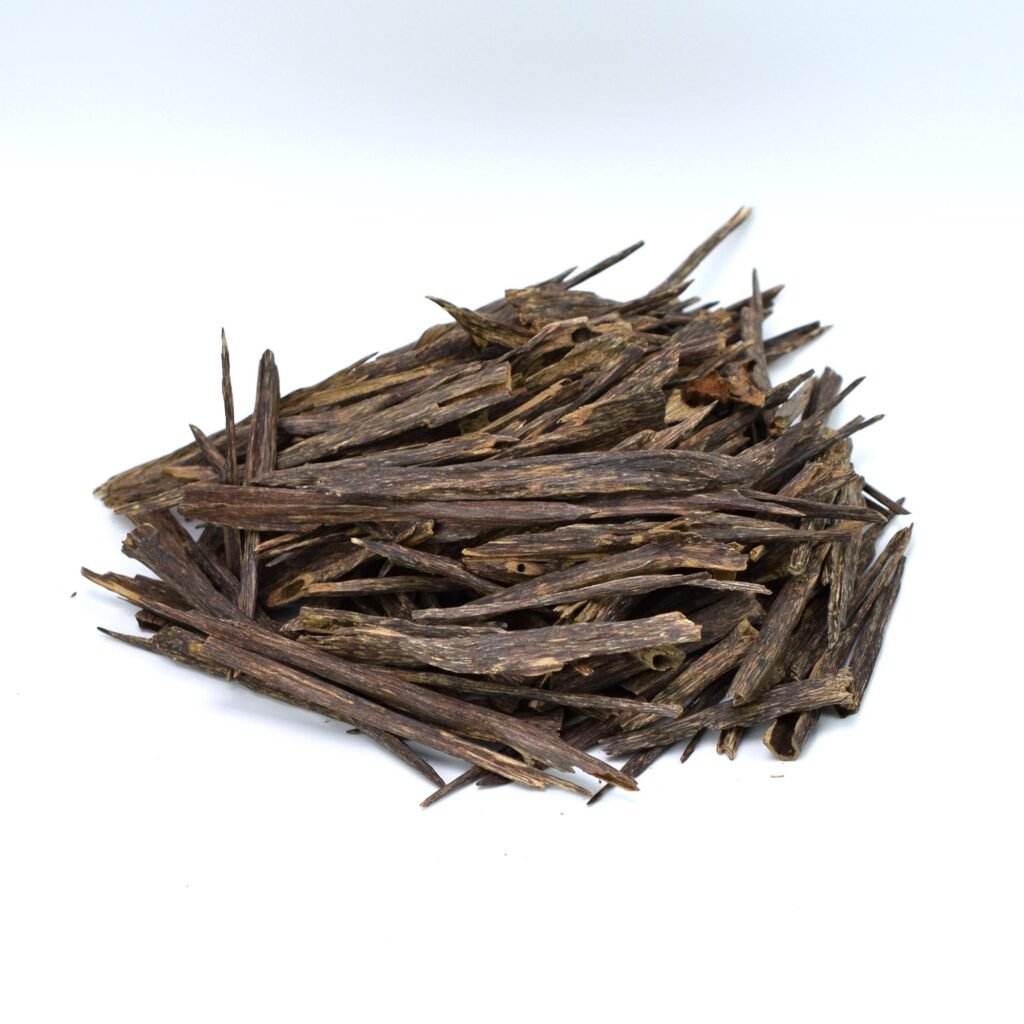
1. Cambodian vs Indian Oud at a Glance
| Indian (Hindi) oud | Cambodian (Cambodi) oud | |
|---|---|---|
| Main tree species | Aquilaria malaccensis | Aquilaria crassna |
| Main regions | Assam, Nagaland and Northeast India; Bangladesh | Cambodia, Thailand, Vietnam, Laos |
| Scent character | Deep, smoky, earthy, leathery, sometimes animalic | Sweet, fruity, honeyed, smooth |
| Opening | Bold, can be sharp or “barnyard” | Soft and pleasant from the start |
| Best for | Experienced oud lovers, evenings, winter | Beginners, daytime, gifts, warm weather |
| Projection | Strong | Moderate to strong |
| Our chips from | AED 75 per 12 g | AED 360 per 12 g |
| Our oil from | AED 850 per 12 ml | AED 1,500 per 12 ml |
Prices are a guide only and can change at any time.
2. Where Do Hindi and Cambodi Oud Come From?
Both come from the agarwood tree, which grows naturally across South and Southeast Asia. But they come from different species and different forests. If you want to understand how the tree makes oud in the first place, read our agarwood tree guide.
- Hindi oud: mainly Aquilaria malaccensis from India’s Northeast — Assam, Nagaland, Tripura, Manipur and nearby — and Bangladesh. Assam alone has well over a million agarwood trees outside its forests.
- Cambodi oud: mainly Aquilaria crassna from Cambodia and the neighbouring countries of Thailand, Vietnam and Laos. Today, much “Cambodi” style oud comes from plantations across this wider region.
Our shop is named after Nagaland, so Hindi oud is part of our heritage. But we sell both because our customers love both.
Insider tip: “Cambodi” in the market often means a style of oud from the Indochina region, not always wood from Cambodia itself. Ask the seller what they know about the origin.
3. Why Do They Smell So Different?
Several things shape the final smell:
- Species: A. malaccensis and A. crassna produce resins with different natural aroma compounds.
- Soil and climate: like tea or coffee, the place where the tree grows changes the result.
- How the resin formed: natural infection by insects and fungi over many years, or faster induced resin in plantations.
- Processing: for oils, the soaking time before distillation matters a lot. Longer soaking (common in traditional Indian distillation) can bring the deep, fermented, “barnyard” note Hindi oils are famous for.
- Ageing: aged oils (muattaq) become smoother and rounder.
Insider tip: this is why two Hindi oils can smell very different. Origin gives you the general style; the individual batch gives you the real character.
4. What Does Indian (Hindi) Oud Smell Like?
Hindi oud is what many people imagine when they think of “strong oud”.
- Main notes: smoke, dark wood, earth, leather, sometimes a farmyard or animalic edge.
- Opening: bold and powerful; can feel sharp at first.
- Dry-down: warm, rich and very long-lasting.
- Feel: serious, traditional, majestic.
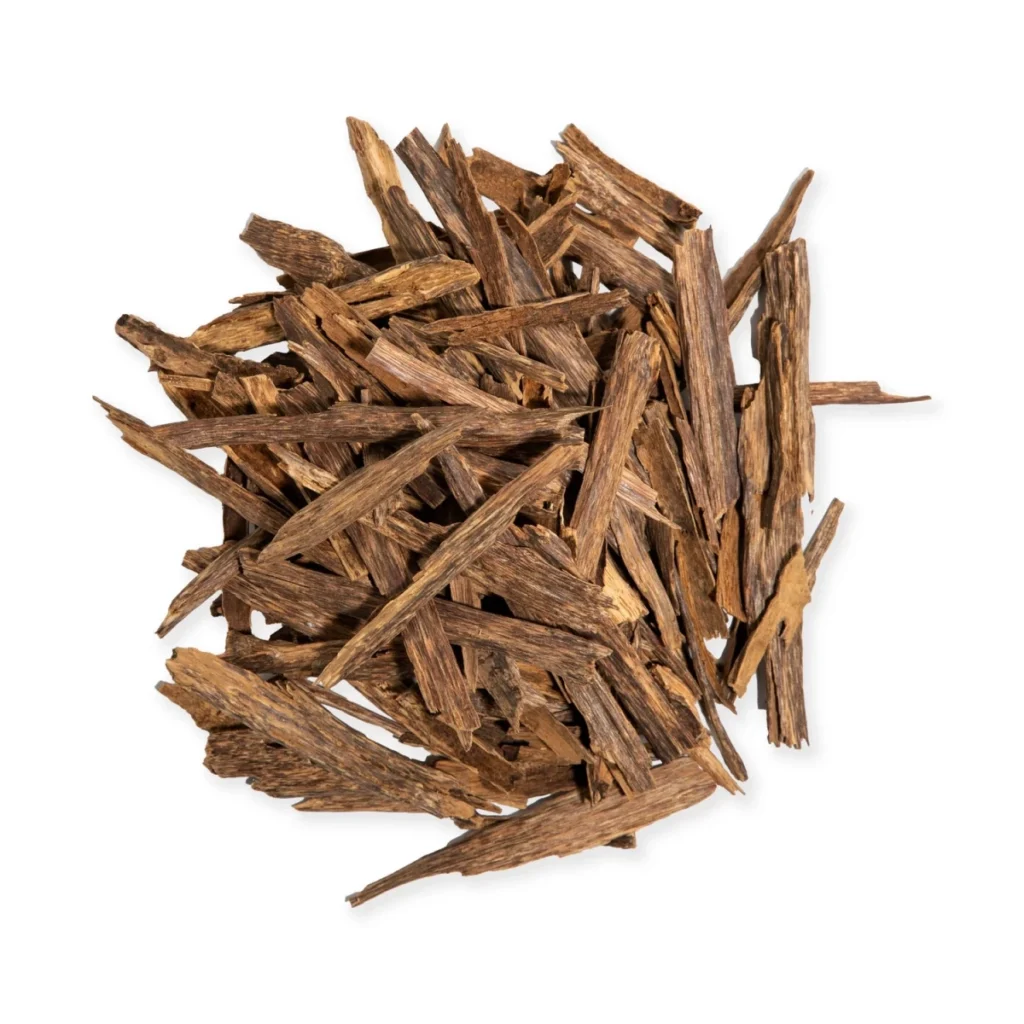
Try: Dagga Super Hindi chips, Oudh Sultan Nagaland, or the Seufi Qadeem and Kalakassi oils.
Insider tip: if the first minute of a Hindi oil feels “too much”, wait. The beauty of Hindi oud is in the hours after.
5. What Does Cambodian (Cambodi) Oud Smell Like?
Cambodi oud is the friendlier introduction to oud.
- Main notes: sweet wood, honey, dried fruit, sometimes plum, leather and a soft spice.
- Opening: pleasant from the start; little or no “barnyard”.
- Dry-down: smooth, sweet and woody.
- Feel: elegant, warm, easy to wear.
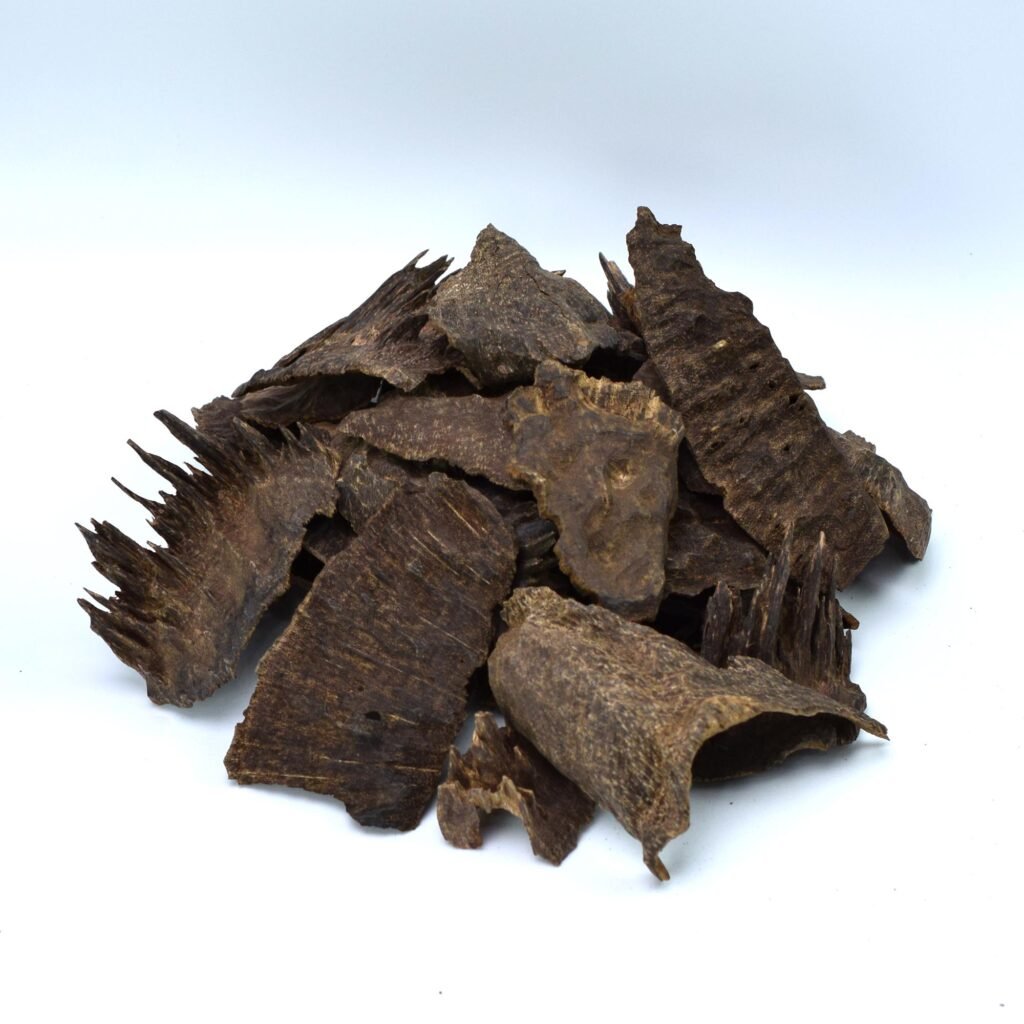
Try: VIP Jar Premium Cambodian chips or the Cambodi Muattaq oil.
Insider tip: Cambodi is a great gift for someone new to oud. It is rarely “too strong” and almost everyone enjoys it.
6. Chips: How They Burn Differently
When you burn agarwood chips, the difference becomes very clear.
| Hindi chips | Cambodi chips | |
|---|---|---|
| Smoke | Thick, dark, smoky | Lighter, sweet |
| Room effect | Fills a big majlis with a strong, traditional scent | Creates a warm, sweet, welcoming scent |
| On clothes | Deep and long-lasting | Sweet and pleasant |
| Best occasion | Big gatherings, evenings, traditional events | Home, guests, daily use, gifts |
Learn the right way to burn them in our guide: how to burn agarwood chips and bakhoor.
Insider tip: burn chips on low heat. Too much heat burns the wood instead of releasing the resin, and every oud smells harsh when burnt too hot.
7. Oils: Hindi vs Cambodi Dehn Al Oud
- Hindi oils: bold, dark, smoky and animalic in the opening; extremely long-lasting.
- Cambodi oils: fruity, sweet and clean; smoother from the first minute.
- Both: real dehn al oud is alcohol-free and develops over hours.
Before buying any oil, read our guide on how to tell real dehn al oud.
8. Which One Is Better?
Neither. This is the most important point of this guide. A top-grade Cambodi is better than a low-grade Hindi, and a top-grade Hindi is better than a low-grade Cambodi. What matters most:
- Resin quality (for chips)
- Purity and distillation (for oils)
- Age
- Your personal taste
Insider tip: be careful with any seller who says “only Hindi is real” or “only Cambodi is pure”. Both are real oud.
9. Which Should You Choose?
| If you… | Choose |
|---|---|
| Are new to oud | Cambodi |
| Love strong, traditional scent | Hindi |
| Want something for daily office wear | Cambodi (or a light Hindi) |
| Host a big majlis or wedding | Hindi chips |
| Are buying a gift | Cambodi, or one of each |
| Live with someone sensitive to strong smells | Cambodi, burned lightly |
| Want maximum lasting power | Hindi oil |
10. Price Comparison 2027
| Product | Type | Size | Our price |
|---|---|---|---|
| Dagga Super Hindi | Hindi chips | 12 g | AED 75 |
| Oudh Sultan Nagaland | Hindi chips | 12 g | AED 145 |
| Royal Super Sallah Sufi | Aged chips | 12 g | AED 160 |
| VIP Jar Premium Cambodian | Cambodi chips | 12 g | AED 360 |
| Kalagasi Triple Super | Rare chips | 12 g | AED 420 |
| Dehn Al Oudh Kalakassi | Oil | 12 ml | AED 850 |
| Dehn Al Oudh Seufi Qadeem | Hindi oil | 12 ml | AED 1,200 |
| Dehn Al Oudh Cambodi Muattaq | Cambodi oil | 12 ml | AED 1,500 |
Prices can change: the prices above were taken from our website in October 2026 and are for guidance only. They may change at any time without notice because of stock, grade, new shipments and market rates. The final price is always the one shown on the product page or confirmed by our team when you order.
11. How to Test and Compare at Home
- Same burner, same heat: burn one small Hindi chip, then (after the burner cools) one Cambodi chip.
- Smell at three points: first minute, after five minutes, and the scent left in the room after twenty minutes.
- Oils on two wrists: Hindi on one wrist, Cambodi on the other. Smell at 5 minutes, 2 hours and 6 hours.
- Write it down: which one did you enjoy most at the end, not the start?
Insider tip: do not test more than three or four ouds in one session. Your nose gets tired quickly, and everything starts to smell the same.
12. Mixing and Layering
- Oil + chips: wear a Cambodi oil and scent your clothes with Hindi chips for depth.
- Oil + perfume: one drop of Hindi oil under a sweet oud perfume makes it last much longer.
- Chips + bakhoor: burn a small piece of oud first, then a little bakhoor for a sweet finish.
13. Other Origins You May See
- Malaysian / Indonesian: woody, green, sometimes minty or spicy.
- Papua / Merauke: bright and woody; varies a lot.
- Sri Lankan (Silani): light, sweet, fresh woody.
- Chinese / Hainan: cool, sweet and delicate.
These are general trade patterns; every batch differs.
14. How to Buy Hindi and Cambodi Oud With Us
We source Hindi oud from growers in India’s Northeast — the region our shop is named after — and Cambodi oud from trusted partners in Cambodia. We grade every batch by hand, and you can smell both side by side in our Deira shop.
Get Today’s Price on WhatsApp
Message us on WhatsApp +971 55 736 2840 and tell us whether you like smoky or sweet oud. We will suggest the best options for your budget with today’s prices.
Find Your Oud in Just 3 Steps
- Tell us your taste and how you will use it (burning, wearing or gifting).
- Smell Hindi and Cambodi side by side in our Deira shop.
- Collect or get delivery across the UAE from our online shop.
Your Hindi vs Cambodi Checklist
- Do you prefer smoky and deep, or sweet and smooth?
- Will you burn it, wear it, or give it as a gift?
- Did you test both on the same burner or skin?
- Did you judge the dry-down, not just the opening?
- Does the seller explain origin and grade honestly?
- Is the price fair for the grade?
Summary: A Simple Way to Think About It
Hindi is the deep voice; Cambodi is the sweet melody. Both are real oud from real agarwood trees. Choose by your nose, not by someone else’s rules.
Frequently Asked Questions
What is the difference between Cambodian and Indian oud?
Indian (Hindi) oud comes mainly from Aquilaria malaccensis in Northeast India and smells deep, smoky and earthy. Cambodian (Cambodi) oud comes mainly from Aquilaria crassna in Cambodia and nearby countries and smells sweeter, fruitier and smoother.
Which is better, Hindi or Cambodi oud?
Neither is better in general. A top-grade Cambodi is better than a low-grade Hindi, and the other way round. Grade, purity, age and your personal taste matter more than origin.
Which oud is best for beginners?
Most beginners prefer Cambodi oud because it is sweet and pleasant from the start. Hindi oud can feel strong at first but is loved by experienced oud lovers.
Why does Hindi oud smell animalic?
The species, the way the resin formed and traditional long soaking before distillation can create the deep, fermented, animalic note that Hindi oils are known for.
Is Cambodian oud real oud?
Yes. Cambodian oud is real agarwood from the Aquilaria tree, just a different species and region from Indian oud.
Which oud lasts longer?
Hindi oils are often very long-lasting and powerful, but lasting power depends mostly on the grade and purity of each oil.
Which oud is best for a majlis or wedding?
Hindi oud chips are a popular choice for big gatherings because their smoke is deep and fills a large room. Cambodi is great for homes, guests and gifts.
How much do Hindi and Cambodi oud cost?
In our Deira shop, chips currently start from about AED 75 per 12 g and dehn al oud from about AED 850 per 12 ml. Prices are a guide only and can change at any time.
Can I mix Hindi and Cambodi oud?
Yes. Many people wear a Cambodi oil and scent their clothes with Hindi chips, or layer one drop of Hindi oil under a sweet oud perfume.
Does Cambodi oud always come from Cambodia?
Not always. In the market, Cambodi often describes a style of oud from the wider Indochina region, including Thailand, Vietnam and Laos.
Before You Go
The best way to understand Hindi and Cambodi oud is to smell them side by side. Words help, but your nose decides.
Come to our shop in Deira, or message us, and we will help you find the oud that feels like yours.
Your nose decides.
Visit us or message us today
Nagaland Agarwood & Incense Trading L.L.C
Shop 106, M-Floor, Ahmed Mohamed Ali Kamal Bldg, Sikkat Al Khail Rd, Al Daghaya, Deira, Dubai
Important note: This article is for general information only. All prices and figures are approximate, were checked in October 2026, and can change at any time without notice. The final price is the one shown on the product page or confirmed by our team when you order. Nothing in this article is legal, financial or medical advice. If you have allergies, asthma or sensitive skin, take care and test first.
Leave a Reply